SQLite is a powerful, lightweight database management system that has gained popularity for its simplicity and efficiency. It is an embedded database, which means it operates within the application itself, making it an ideal choice for developers looking to integrate a database without the overhead of a separate server.
Understanding what SQLite is and when to use it can significantly enhance your application’s performance and user experience. Whether you’re building a mobile app, a small-scale web application, or a prototype, SQLite offers a reliable solution that meets various data storage needs without complexity.
Introduction
This article explores What Is SQLite and When Should You Use It? with clear, practical guidance. SQLite is a lightweight, serverless database engine that is widely used in various applications, from mobile apps to web browsers. Understanding the fundamentals of What Is SQLite and When Should You Use It? helps you make informed decisions about when to implement this technology in your projects.
Key Concepts
SQLite is an embedded relational database management system (RDBMS) that provides a simple and efficient way to store and retrieve data. It is designed to be self-contained, meaning it does not require a separate server process, making it an excellent choice for applications that need a lightweight database solution.
- Serverless: Unlike traditional databases, SQLite does not require a server to operate. This makes it easy to integrate into applications without the overhead of managing a separate database server.
- Cross-Platform: SQLite works on various platforms, including Windows, macOS, Linux, iOS, and Android, making it a versatile choice for developers.
- File-Based: SQLite stores data in a single file on disk, simplifying data management and deployment.
- ACID Compliance: SQLite supports Atomicity, Consistency, Isolation, and Durability (ACID) properties, ensuring reliable transactions.
Deep Dive
To fully understand SQLite, it’s essential to explore its architecture, features, and use cases. SQLite is built around a simple yet powerful SQL interface, allowing developers to execute queries and manage data efficiently.
Architecture
SQLite operates on a single file, which contains the entire database, including tables, indexes, and data. This architecture allows for quick access and manipulation of data without the need for complex configurations.
Features
- Lightweight: With a small binary size, SQLite is ideal for applications where resources are limited.
- Easy to Use: The simplicity of SQLite makes it accessible for beginners and experienced developers alike.
- Rich Functionality: SQLite supports a wide range of SQL features, including joins, subqueries, and triggers.
Use Cases
SQLite is particularly well-suited for:
- Mobile applications where a lightweight database is essential.
- Embedded systems that require a simple data storage solution.
- Web applications that need a fast, serverless database for local storage.
- Testing and prototyping, where quick setup and teardown are beneficial.
Best Practices
When using SQLite, following best practices can lead to better long-term outcomes. Reliable information and consistent habits are crucial for successful database management.
Optimize Database Design
Design your database schema carefully to ensure efficient data retrieval and storage. Normalize your data where appropriate, but also consider denormalization for read-heavy applications.
Use Transactions Wisely
Utilize transactions to ensure data integrity. Group multiple operations into a single transaction to minimize the risk of data corruption.
Regular Backups
Implement a backup strategy to protect your data. Regularly back up your SQLite database file to prevent data loss.
Monitor Performance
Keep an eye on your database performance. Use the built-in SQLite tools to analyze query performance and optimize as necessary.
FAQ
What should I know about What Is SQLite and When Should You Use It?
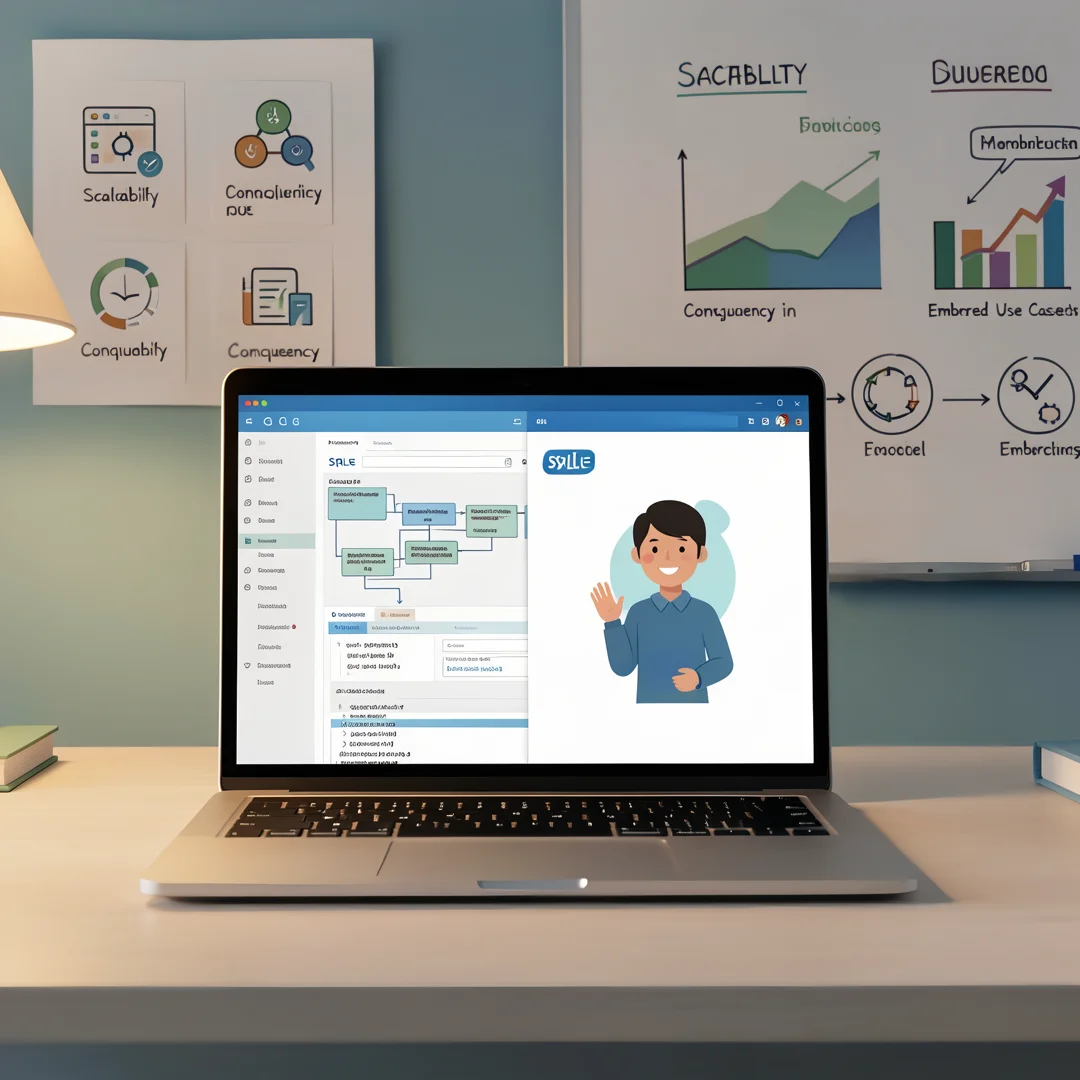
SQLite is an excellent choice for applications that require a lightweight, serverless database solution. It is easy to set up and use, making it ideal for mobile apps, embedded systems, and small to medium-sized web applications. Understanding its limitations, such as concurrency and scalability, is essential for making informed decisions about its use.
Who is this guide for?
This guide is designed for developers, project managers, and anyone interested in understanding SQLite and its applications. Whether you are a beginner looking to learn about databases or an experienced developer seeking to optimize your use of SQLite, this guide provides valuable insights and practical advice.
Step-by-Step Guide
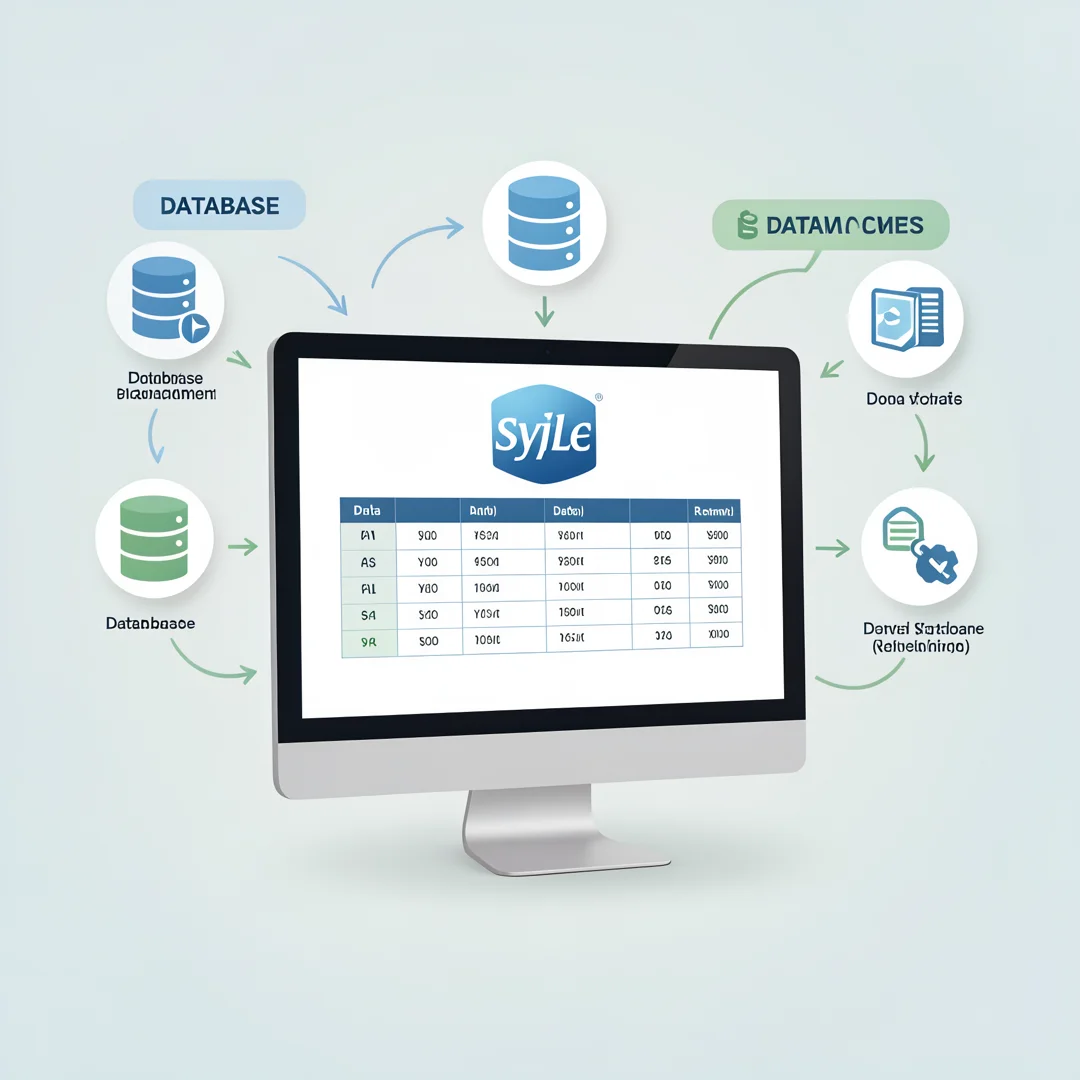
Step 1: Understand the fundamentals
Begin by familiarizing yourself with the basic concepts of SQLite. Read documentation and tutorials to grasp how SQLite operates and its core features.
Step 2: Assess your starting point
Evaluate your current project requirements. Determine if SQLite fits your needs based on factors such as data volume, access patterns, and performance expectations.

Step 3: Set clear goals
Define what you want to achieve with SQLite. Are you building a mobile app, a web application, or an embedded system? Setting clear objectives will guide your implementation process.
Step 4: Gather necessary resources
Collect the tools and resources you need to work with SQLite. This may include SQLite libraries, development environments, and any additional software required for your project.
Step 5: Apply the core methods
Start implementing SQLite in your project. Create your database schema, write SQL queries, and integrate SQLite into your application. Ensure you follow best practices for database management.
Step 6: Monitor your progress
Regularly review your implementation and performance. Use monitoring tools to track database usage and optimize queries as necessary. Adjust your approach based on feedback and performance metrics.
Key Takeaways
This article explores What Is SQLite and When Should You Use It? with clear, practical guidance.
Understanding the fundamentals of What Is SQLite and When Should You Use It? helps you make informed decisions.
Reliable information and consistent habits lead to better long-term outcomes.
Readers searching for 'What Is SQLite and When Should You Use It?' want actionable advice without unnecessary jargon.
Structured sections with summaries improve readability and engagement.
Start with clear goals and track progress over time.
Use trusted sources and verify important claims.
Adjust recommendations to your personal situation and consult experts when needed.
Increased demand for clear, trustworthy online guides
Mobile-first reading habits
Keep this guide nearby and revisit What Is SQLite and When Should You Use It? after you complete the first set of actions so the advice stays practical rather than theoretical.
The most reliable progress with What Is SQLite and When Should You Use It? comes from consistent follow-through, honest review of what is working, and small adjustments instead of a complete restart.
If a recommendation does not fit your situation, skip it and continue with the next one — finishing a realistic plan is more useful than abandoning a perfect one.
Share the main points of What Is SQLite and When Should You Use It? with a trusted person who can help you stay accountable and notice improvements you might miss on your own.
Schedule a short weekly review: what you completed, what felt difficult, and one change you will make next week related to What Is SQLite and When Should You Use It?.
Keep this guide nearby and revisit What Is SQLite and When Should You Use It? after you complete the first set of actions so the advice stays practical rather than theoretical.
The most reliable progress with What Is SQLite and When Should You Use It? comes from consistent follow-through, honest review of what is working, and small adjustments instead of a complete restart.
If a recommendation does not fit your situation, skip it and continue with the next one — finishing a realistic plan is more useful than abandoning a perfect one.
Share the main points of What Is SQLite and When Should You Use It? with a trusted person who can help you stay accountable and notice improvements you might miss on your own.
Schedule a short weekly review: what you completed, what felt difficult, and one change you will make next week related to What Is SQLite and When Should You Use It?.
Keep this guide nearby and revisit What Is SQLite and When Should You Use It? after you complete the first set of actions so the advice stays practical rather than theoretical.
Frequently Asked Questions
What should I know about What Is SQLite and When Should You Use It??
This guide covers the essentials of What Is SQLite and When Should You Use It? with practical steps you can apply right away.
Who is this guide for?
Anyone looking for a clear, structured overview without unnecessary complexity.
You now have a solid foundation for What Is SQLite and When Should You Use It?. Apply the best practices above and revisit this guide as your needs evolve.