The Go programming language, often referred to as Golang, is an open-source language developed by Google that has gained immense popularity for its simplicity and efficiency. Designed for modern software development, Go combines the performance of a compiled language with the ease of use of a dynamic language, making it an ideal choice for a wide range of applications.
In this article, we will explore what Go programming language is and where it is used, highlighting its key features and advantages. Whether you’re a seasoned developer or a newcomer to coding, understanding Go can provide valuable insights into its growing role in the tech industry.
Introduction
The Go programming language, often referred to as Golang, is an open-source language developed by Google. It was designed to simplify the complexities of software development while ensuring high performance and efficiency. This article explores what the Go programming language is and where it is used, providing clear, practical guidance for those looking to understand its fundamentals and applications.
Key Concepts
To grasp the essence of Go, it’s essential to understand its key concepts. Go is statically typed, compiled, and supports concurrent programming, making it a powerful choice for modern software development.
- Statically Typed: Go checks types at compile time, reducing runtime errors and improving code reliability.
- Compiled Language: Go compiles directly to machine code, which enhances execution speed compared to interpreted languages.
- Concurrency: Go has built-in support for concurrent programming through goroutines and channels, allowing developers to write efficient multi-threaded applications.
- Simplicity: The syntax of Go is clean and straightforward, making it easier for developers to read and write code.

Deep Dive
Understanding the fundamentals of Go programming language and its applications can significantly aid in making informed decisions regarding technology stacks and project development.

Step 1: Understand the fundamentals
Begin by familiarizing yourself with the basic syntax and structure of Go. Resources such as the official Go documentation and online tutorials can provide a solid foundation. Key topics to cover include:
- Data types and variables
- Control structures (if statements, loops)
- Functions and methods
- Structs and interfaces

Step 2: Assess your starting point
Evaluate your current programming skills and experience. If you are new to programming, consider starting with basic programming concepts before diving into Go. If you have experience with other languages, identify similarities and differences that may aid your learning process.

Step 3: Set clear goals
Define what you want to achieve by learning Go. Are you looking to develop web applications, work on cloud services, or contribute to open-source projects? Setting clear goals will help you stay focused and motivated throughout your learning journey.

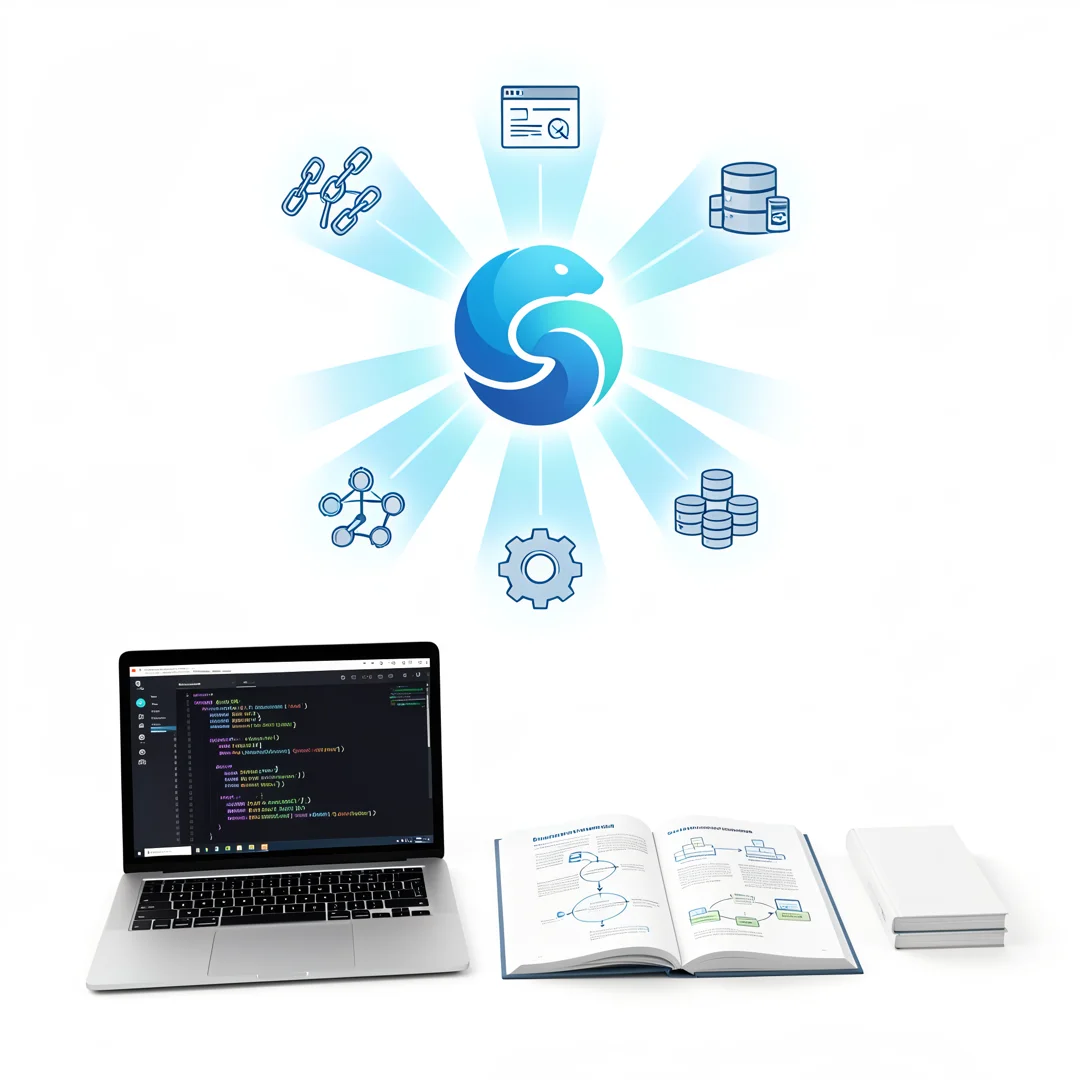
Step 4: Gather necessary resources
Collect resources that will aid your learning. This can include:
- Books on Go programming
- Online courses and video tutorials
- Community forums and discussion groups
- Practice platforms like LeetCode or HackerRank
Step 5: Apply the core methods
Start coding! Apply what you’ve learned by working on small projects. This could involve building a simple web server, creating a command-line tool, or contributing to existing Go projects on platforms like GitHub. Practical application reinforces learning and helps you understand the language better.
Step 6: Monitor your progress
Keep track of your learning milestones and projects. Regularly review your code to identify areas for improvement and seek feedback from peers or mentors. This will help you refine your skills and enhance your understanding of Go programming.
Best Practices
To ensure success in using Go, adhere to the following best practices:
- Write Clear Code: Prioritize readability and maintainability in your code. Use meaningful variable names and comment your code where necessary.
- Utilize Go’s Concurrency Features: Make use of goroutines and channels to handle concurrent tasks efficiently, especially in applications requiring high performance.
- Follow the Go Formatting Guidelines: Use the `gofmt` tool to format your code consistently, which helps in maintaining a clean codebase.
- Test Your Code: Implement unit tests to ensure your code behaves as expected. Go has a built-in testing framework that makes this process straightforward.
- Stay Updated: The Go ecosystem is continuously evolving. Keep abreast of the latest updates, libraries, and best practices by following Go community forums and blogs.
FAQ
What should I know about What Is Go Programming Language and Where Is It Used?
Go is widely used in various domains, including web development, cloud services, and microservices architecture. Its efficiency and simplicity make it a popular choice for building scalable applications. Understanding its core concepts and applications can help you leverage Go effectively in your projects.
Who is this guide for?
This guide is intended for anyone interested in learning about the Go programming language, from beginners with no prior programming experience to seasoned developers looking to expand their skill set. Whether you aim to build web applications, work in cloud computing, or contribute to open-source projects, this guide provides the foundational knowledge and practical steps to get started.
Conclusion
Reliable information and consistent habits lead to better long-term outcomes in learning Go programming. By understanding its fundamentals and applying best practices, you can effectively utilize Go in your software development projects.
Key Takeaways
This article explores What Is Go Programming Language and Where Is It Used? with clear, practical guidance.
Understanding the fundamentals of What Is Go Programming Language and Where Is It Used? helps you make informed decisions.
Reliable information and consistent habits lead to better long-term outcomes.
Readers searching for 'What Is Go Programming Language and Where Is It Used?' want actionable advice without unnecessary jargon.
Structured sections with summaries improve readability and engagement.
Start with clear goals and track progress over time.
Use trusted sources and verify important claims.
Adjust recommendations to your personal situation and consult experts when needed.
Increased demand for clear, trustworthy online guides
Mobile-first reading habits
Keep this guide nearby and revisit What Is Go Programming Language and Where Is It Used? after you complete the first set of actions so the advice stays practical rather than theoretical.
The most reliable progress with What Is Go Programming Language and Where Is It Used? comes from consistent follow-through, honest review of what is working, and small adjustments instead of a complete restart.
If a recommendation does not fit your situation, skip it and continue with the next one — finishing a realistic plan is more useful than abandoning a perfect one.
Share the main points of What Is Go Programming Language and Where Is It Used? with a trusted person who can help you stay accountable and notice improvements you might miss on your own.
Schedule a short weekly review: what you completed, what felt difficult, and one change you will make next week related to What Is Go Programming Language and Where Is It Used?.
Keep this guide nearby and revisit What Is Go Programming Language and Where Is It Used? after you complete the first set of actions so the advice stays practical rather than theoretical.
The most reliable progress with What Is Go Programming Language and Where Is It Used? comes from consistent follow-through, honest review of what is working, and small adjustments instead of a complete restart.
If a recommendation does not fit your situation, skip it and continue with the next one — finishing a realistic plan is more useful than abandoning a perfect one.
Share the main points of What Is Go Programming Language and Where Is It Used? with a trusted person who can help you stay accountable and notice improvements you might miss on your own.
Schedule a short weekly review: what you completed, what felt difficult, and one change you will make next week related to What Is Go Programming Language and Where Is It Used?.
Keep this guide nearby and revisit What Is Go Programming Language and Where Is It Used? after you complete the first set of actions so the advice stays practical rather than theoretical.
The most reliable progress with What Is Go Programming Language and Where Is It Used? comes from consistent follow-through, honest review of what is working, and small adjustments instead of a complete restart.
Frequently Asked Questions
What should I know about What Is Go Programming Language and Where Is It Used??
This guide covers the essentials of What Is Go Programming Language and Where Is It Used? with practical steps you can apply right away.
Who is this guide for?
Anyone looking for a clear, structured overview without unnecessary complexity.
You now have a solid foundation for What Is Go Programming Language and Where Is It Used?. Apply the best practices above and revisit this guide as your needs evolve.