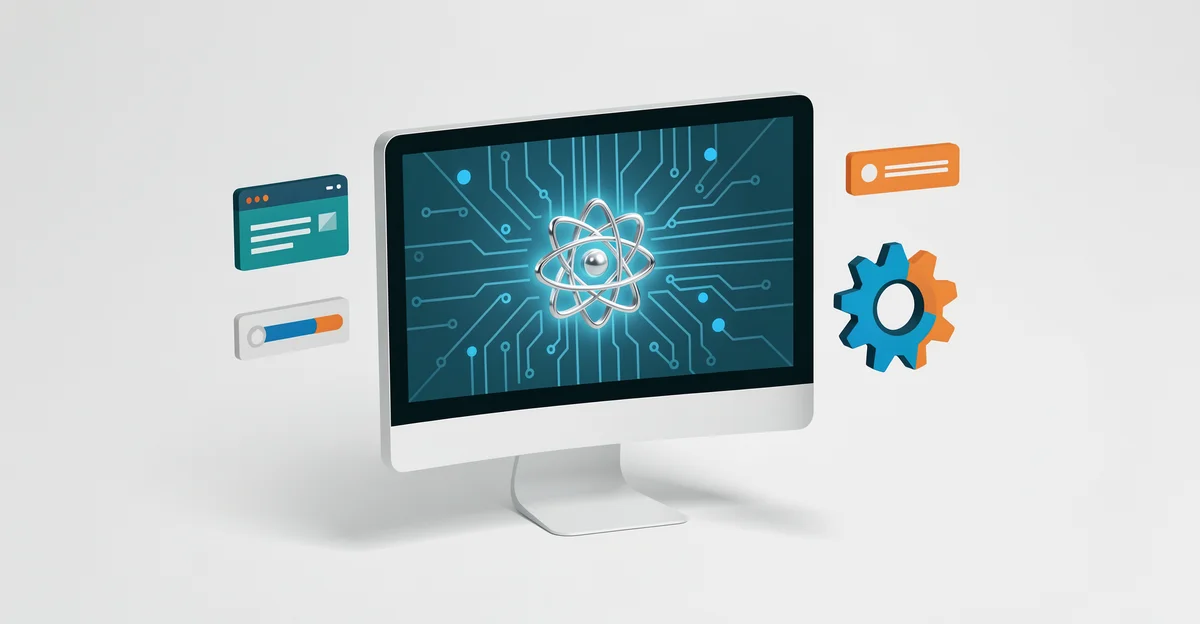
Electron.js is a powerful framework that allows developers to build cross-platform desktop applications using web technologies like HTML, CSS, and JavaScript. By leveraging the capabilities of Node.js and Chromium, Electron enables the creation of feature-rich applications that run seamlessly on Windows, macOS, and Linux.
In this article, we will explore what Electron.js is and guide you through the process of building your own desktop apps. Whether you are a seasoned developer or just starting, you’ll find actionable insights and tips to help you harness the full potential of this innovative framework.
Introduction
Electron.js is a powerful framework that allows developers to build cross-platform desktop applications using web technologies such as HTML, CSS, and JavaScript. This article explores What Is Electron.js and How Can You Build Desktop Apps? with clear, practical guidance. Understanding the fundamentals of What Is Electron.js and How Can You Build Desktop Apps? helps you make informed decisions about your development process and the tools you choose to use.
Key Concepts
Before diving into the specifics of building applications with Electron.js, it’s essential to grasp some key concepts that underpin the framework:
- Cross-Platform Compatibility: Electron allows developers to create applications that run on Windows, macOS, and Linux without needing to rewrite code for each platform.
- Web Technologies: By leveraging familiar web technologies, developers can create rich desktop applications using the same skills they use for web development.
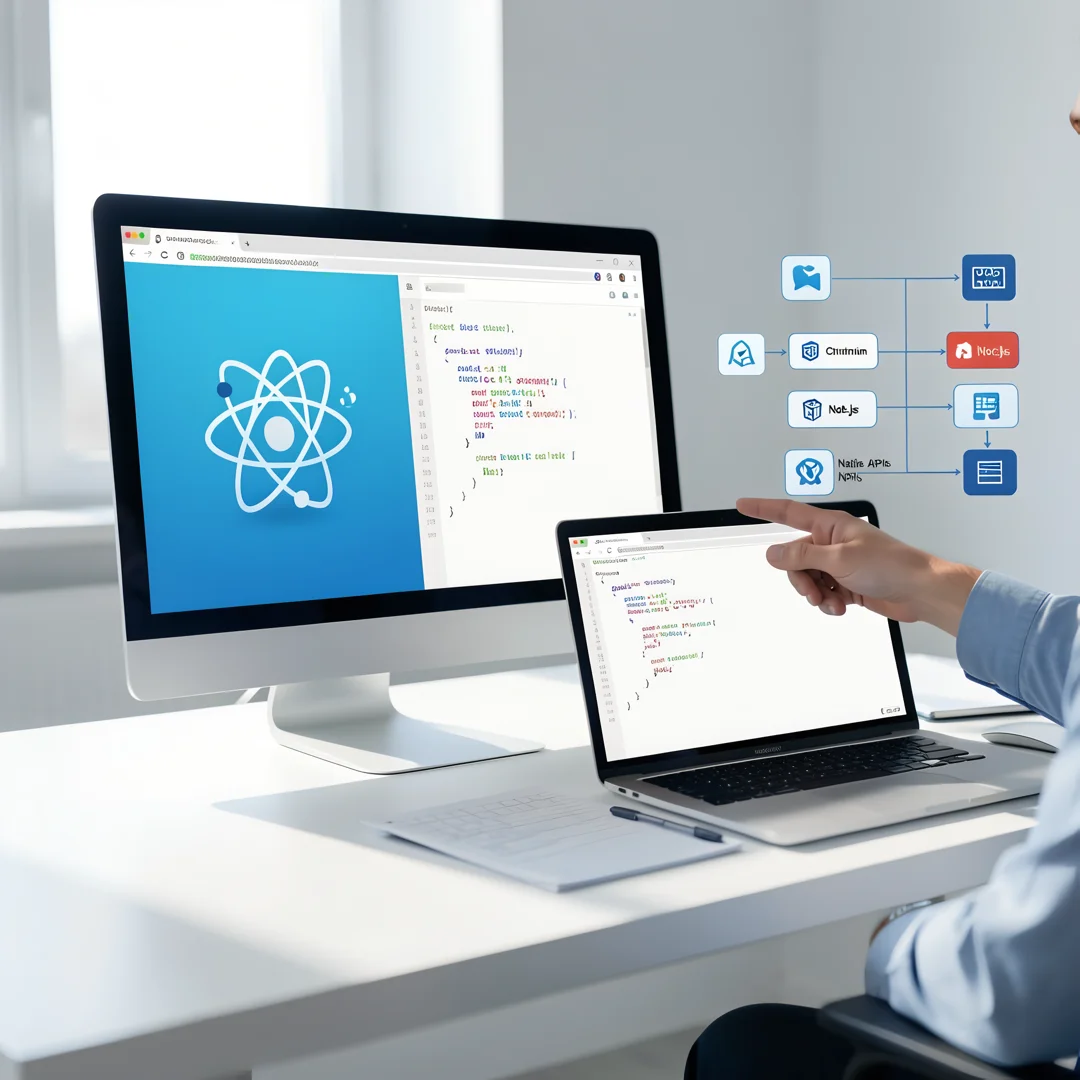
- Node.js Integration: Electron integrates Node.js, enabling access to the file system, network, and other system capabilities that traditional web applications cannot access.
- Chromium Rendering: Electron uses Chromium for rendering, ensuring that applications have a consistent look and feel across different operating systems.
Deep Dive
Now that we have established the foundational concepts, let’s take a deeper look at how Electron.js works and the components involved in building a desktop application.
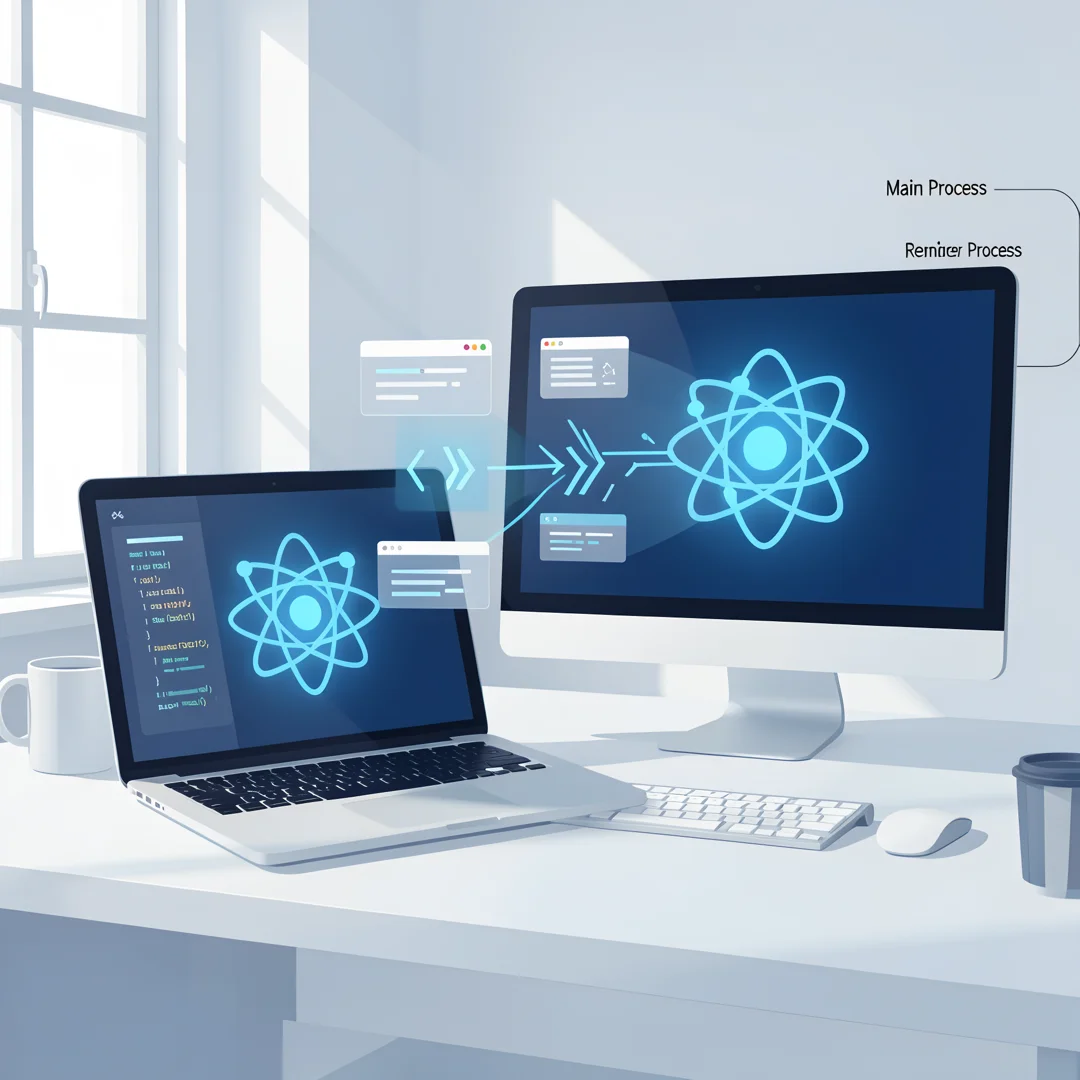
Electron applications consist of two main processes: the main process and the renderer process. The main process is responsible for managing the application lifecycle, while the renderer process handles the user interface and user interactions.
To create an Electron application, you typically start with a package.json file, which defines the application’s metadata and dependencies. The structure of an Electron app usually includes the following:
- Main Process: This is where you create the application window and manage application events.
- Renderer Process: This is where you build the user interface using HTML, CSS, and JavaScript.
- Assets: Images, stylesheets, and other resources that your application will use.
Electron also supports various APIs that allow you to interact with the operating system, such as notifications, menus, and file handling, enhancing the user experience.

Best Practices
When developing applications with Electron.js, following best practices can lead to more reliable and maintainable code. Here are some recommendations:
- Keep the Main Process Lightweight: Offload heavy computations to the renderer process or use web workers to maintain responsiveness.
- Use Secure Contexts: Always load remote content in a secure context to protect against potential security vulnerabilities.
- Optimize Performance: Minimize the size of your application by using tools like Webpack to bundle your code and assets efficiently.
- Regularly Update Dependencies: Keep your Electron version and other dependencies up to date to benefit from performance improvements and security patches.
- Test Across Platforms: Regularly test your application on all target operating systems to ensure consistent performance and appearance.
Step-by-Step Guide
Step 1: Understand the fundamentals
Before you start building your application, it’s crucial to understand the core concepts of Electron.js. Familiarize yourself with its architecture, including the main and renderer processes, and how they interact. This foundational knowledge will help you navigate the development process more effectively.

Step 2: Assess your starting point
Evaluate your current skills and resources. If you are already proficient in web development, transitioning to Electron will be smoother. Identify any gaps in your knowledge that you may need to address, such as understanding Node.js or the specific APIs provided by Electron.

Step 3: Set clear goals
Define what you want to achieve with your Electron application. Are you building a simple utility tool, or do you have a more complex application in mind? Setting clear goals will guide your development process and help you stay focused on your objectives.
Step 4: Gather necessary resources
Collect the resources you will need to build your application. This includes documentation, tutorials, and libraries that can enhance your development process. The official Electron documentation is a great starting point, along with community resources and forums for additional support.

Step 5: Apply the core methods
Begin the development process by applying the core methods of Electron. Start by creating your main process and setting up the renderer process. Utilize the APIs available to build the desired features and functionalities of your application. Make sure to test your application regularly to catch any issues early in the development cycle.

Step 6: Monitor your progress
As you develop your application, keep track of your progress against the goals you set earlier. Regularly review your code and the performance of your application. This will help you identify areas for improvement and ensure that you are on track to meet your objectives.
FAQ
What should I know about What Is Electron.js and How Can You Build Desktop Apps?
Electron.js is a framework that allows developers to create cross-platform desktop applications using web technologies. It integrates Node.js and Chromium, enabling access to system resources while providing a familiar development environment for web developers. Understanding its architecture and best practices is essential for building efficient and secure applications.
Who is this guide for?
This guide is designed for developers of all levels who are interested in building desktop applications using Electron.js. Whether you are a seasoned web developer looking to expand your skill set or a beginner eager to learn about desktop application development, this guide provides clear, actionable information to help you succeed.
Key Takeaways
This article explores What Is Electron.js and How Can You Build Desktop Apps? with clear, practical guidance.
Understanding the fundamentals of What Is Electron.js and How Can You Build Desktop Apps? helps you make informed decisions.
Reliable information and consistent habits lead to better long-term outcomes.
Readers searching for 'What Is Electron.js and How Can You Build Desktop Apps?' want actionable advice without unnecessary jargon.
Structured sections with summaries improve readability and engagement.
Start with clear goals and track progress over time.
Use trusted sources and verify important claims.
Adjust recommendations to your personal situation and consult experts when needed.
Increased demand for clear, trustworthy online guides
Mobile-first reading habits
Keep this guide nearby and revisit What Is Electron.js and How Can You Build Desktop Apps? after you complete the first set of actions so the advice stays practical rather than theoretical.
The most reliable progress with What Is Electron.js and How Can You Build Desktop Apps? comes from consistent follow-through, honest review of what is working, and small adjustments instead of a complete restart.
If a recommendation does not fit your situation, skip it and continue with the next one — finishing a realistic plan is more useful than abandoning a perfect one.
Share the main points of What Is Electron.js and How Can You Build Desktop Apps? with a trusted person who can help you stay accountable and notice improvements you might miss on your own.
Schedule a short weekly review: what you completed, what felt difficult, and one change you will make next week related to What Is Electron.js and How Can You Build Desktop Apps?.
Keep this guide nearby and revisit What Is Electron.js and How Can You Build Desktop Apps? after you complete the first set of actions so the advice stays practical rather than theoretical.
The most reliable progress with What Is Electron.js and How Can You Build Desktop Apps? comes from consistent follow-through, honest review of what is working, and small adjustments instead of a complete restart.
If a recommendation does not fit your situation, skip it and continue with the next one — finishing a realistic plan is more useful than abandoning a perfect one.
Frequently Asked Questions
What should I know about What Is Electron.js and How Can You Build Desktop Apps??
This guide covers the essentials of What Is Electron.js and How Can You Build Desktop Apps? with practical steps you can apply right away.
Who is this guide for?
Anyone looking for a clear, structured overview without unnecessary complexity.
You now have a solid foundation for What Is Electron.js and How Can You Build Desktop Apps?. Apply the best practices above and revisit this guide as your needs evolve.